Stay Informed
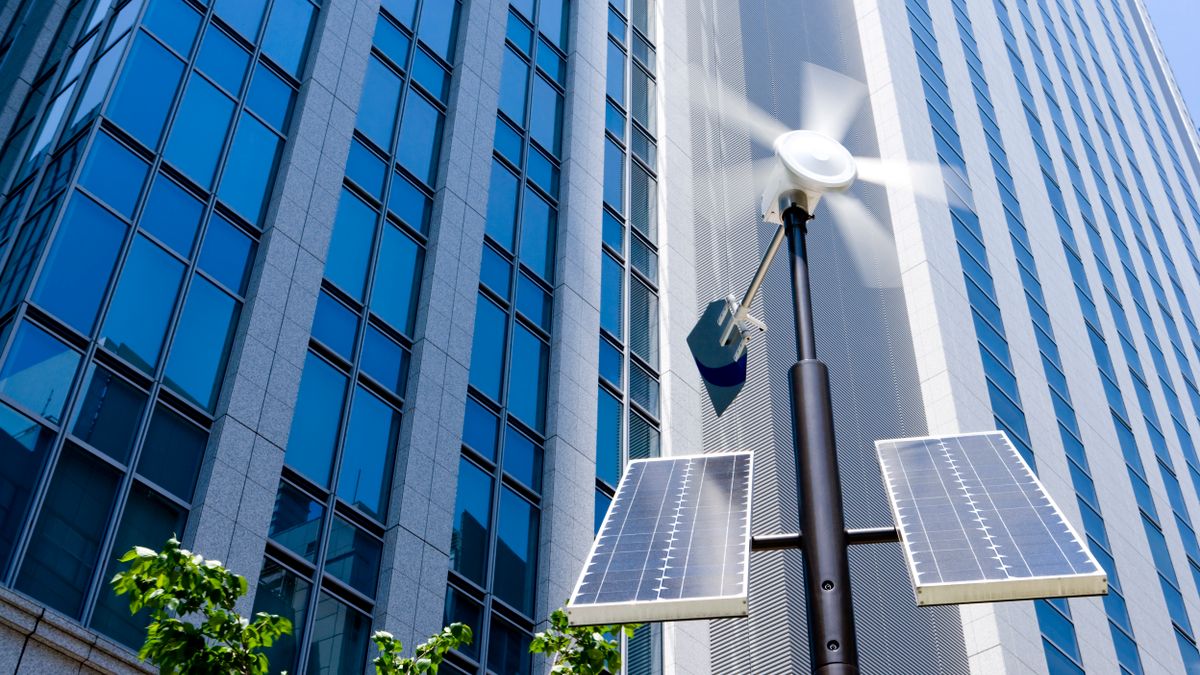
Efficiency Upgrades Can Reduce Energy Demand in Buildings By 38%
A report from the World Economic Forum and PwC states that completing energy savings and efficiency projects can help buildings reduce energy consumption by as much as 38%. Over time, as the cost savings from actions taken to lessen the amount of energy that facilities need to operate add up, these efforts will pay for themselves. Learn more about this report in an article from Smart Cities Dive.

Invest in Efficiency Before Focusing on Renewable Energy
Reducing your facility’s energy usage will make investing in energy easier and more affordable in the future. According to an article from Facility Executive, the payback period on solar panels and other renewable energy technology will be longer if efforts are not taken to optimize energy systems for cost savings and efficiency first.
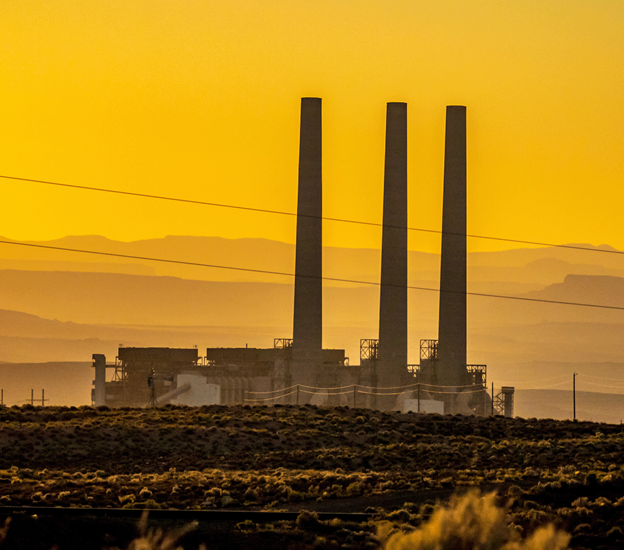
New Policies Empower Tribal Nations To Become More Energy Secure
With their environmental and cultural values front of mind, Tribal Nations are working with the federal government to overcome barriers that prevent progress towards independent energy development. A recent provision in the Inflation Reduction Act allows Tribes to take advantage of federal tax credits for energy projects for the first time. Read the article by Resources to learn how Tribes are moving forward.

The Inflation Reduction Act Spotlights the Need to Better Support Tribal Communities in Response to Climate Change
President Biden’s climate change law, the Inflation Reduction Act (IRA), set aside $720 million in funding for tribal governments to improve energy efficiency and develop more resilient energy strategies. This funding, alongside other resources provided by IRA programs, strengthens tribal governments and helps reduce the widespread energy poverty present in their communities. Head to Legal Planet to get additional information on IRA provisions.

Energy Efficiency Helps Communities Become Climate Resilient
To mitigate the impact of extreme heat, flooding, and other weather-related incidents, the Department of Energy (DOE) encourages investment in energy-efficient technology to improve climate resilience. The DOE helps communities become safer, more equitable, and economically stronger by providing resources through its Office of State and Community Energy Programs. Learn more on DOE’s website.

Fellowship Program Supports Career Development in the Clean-Energy Industry
Local and Tribal governments participating in the U.S. Department of Energy’s (DOE) Energy Efficiency and Conservation Block Grant (EECBG) Program can get an extra hand completing their project by hosting a Clean Energy Fellow. The Community Energy Fellowship is providing 25–35 recent graduates and mid-career clean energy professionals with job opportunities. Learn more about hosting a Fellow on DOE’s website.
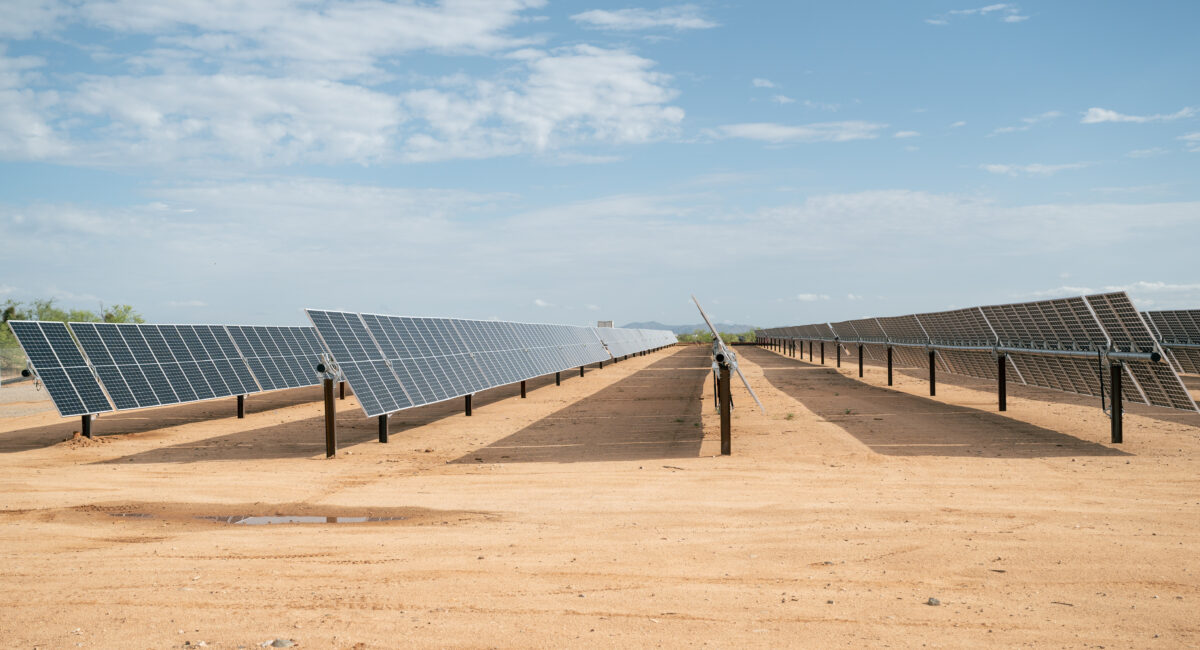
New Alliance Connects Tribal Communities with Solar Construction Firms That Prioritize Cultural Preservation
To reduce the barriers tribes face implementing renewable energy projects, the Alliance for Tribal Clean Energy was formed to recruit solar construction firms that undergo traditional cultural preservation training. With a total of $20 billion in federal loans available to tribes taking on energy projects, the Alliance for Tribal Clean Energy’s work will help tribes accelerate solar deployment. Read the full article from pv magazine to learn more.

$4.6 Billion in Grants Unveiled to Reduce Climate Pollution
The U.S. Environmental Protection Agency’s (EPA) new grant competition will fund state, local, and Tribal programs and policies that support environmental justice, advance clean-energy solutions, and tackle climate pollution. By funding measures that bring economic and health benefits to low-income and disadvantaged communities, the Climate Pollution Reduction Grants competition will also advance President Biden’s Justice40 Initiative. Visit EPA’s website to get more details.

Federal Facilities Adapting Operational Strategies In Response To Changing Work Models
Improving energy efficiency and creating environments that staff feel more comfortable in are two ways government entities are updating the operational strategies of their facilities. In an interview with FacilitiesNet, two commercial real estate experts discuss some of the changes they’ve observed and how facility managers are dealing with them.

Projects to Improve Energy Efficiency and Sustainability at Federal Buildings Funded Through Grant Program
Nineteen federal projects will receive over $28 million in funding under the Assisting Federal Facilities with Energy Conservation Technologies (AFFECT) grant program. These projects are projected to save $22.7 million in annual energy costs. The AFFECT grant program plays a key role in achieving net-zero emissions from federal buildings by 2045. Visit the Department of Energy’s website to learn how this impacts the Biden Administration’s Federal Sustainability Plan.
Additional Resources

Stay Informed
Additional Resources
Efficiency Upgrades Can Reduce Energy Demand in Buildings By 38%
A report from the World Economic Forum and PwC states that completing energy savings and efficiency projects can help buildings reduce energy consumption by as much as 38%. Over time, as the cost savings from actions taken to lessen the amount of energy that facilities need to operate add up, these efforts will pay for themselves. Learn more about this report in an article from Smart Cities Dive.
Invest in Efficiency Before Focusing on Renewable Energy
Reducing your facility’s energy usage will make investing in energy easier and more affordable in the future. According to an article from Facility Executive, the payback period on solar panels and other renewable energy technology will be longer if efforts are not taken to optimize energy systems for cost savings and efficiency first.
New Policies Empower Tribal Nations To Become More Energy Secure
With their environmental and cultural values front of mind, Tribal Nations are working with the federal government to overcome barriers that prevent progress towards independent energy development. A recent provision in the Inflation Reduction Act allows Tribes to take advantage of federal tax credits for energy projects for the first time. Read the article by Resources to learn how Tribes are moving forward.
The Inflation Reduction Act Spotlights the Need to Better Support Tribal Communities in Response to Climate Change
President Biden’s climate change law, the Inflation Reduction Act (IRA), set aside $720 million in funding for tribal governments to improve energy efficiency and develop more resilient energy strategies. This funding, alongside other resources provided by IRA programs, strengthens tribal governments and helps reduce the widespread energy poverty present in their communities. Head to Legal Planet to get additional information on IRA provisions.
Energy Efficiency Helps Communities Become Climate Resilient
To mitigate the impact of extreme heat, flooding, and other weather-related incidents, the Department of Energy (DOE) encourages investment in energy-efficient technology to improve climate resilience. The DOE helps communities become safer, more equitable, and economically stronger by providing resources through its Office of State and Community Energy Programs. Learn more on DOE’s website.
Fellowship Program Supports Career Development in the Clean-Energy Industry
Local and Tribal governments participating in the U.S. Department of Energy’s (DOE) Energy Efficiency and Conservation Block Grant (EECBG) Program can get an extra hand completing their project by hosting a Clean Energy Fellow. The Community Energy Fellowship is providing 25–35 recent graduates and mid-career clean energy professionals with job opportunities. Learn more about hosting a Fellow on DOE’s website.
New Alliance Connects Tribal Communities with Solar Construction Firms That Prioritize Cultural Preservation
To reduce the barriers tribes face implementing renewable energy projects, the Alliance for Tribal Clean Energy was formed to recruit solar construction firms that undergo traditional cultural preservation training. With a total of $20 billion in federal loans available to tribes taking on energy projects, the Alliance for Tribal Clean Energy’s work will help tribes accelerate solar deployment. Read the full article from pv magazine to learn more.
$4.6 Billion in Grants Unveiled to Reduce Climate Pollution
The U.S. Environmental Protection Agency’s (EPA) new grant competition will fund state, local, and Tribal programs and policies that support environmental justice, advance clean-energy solutions, and tackle climate pollution. By funding measures that bring economic and health benefits to low-income and disadvantaged communities, the Climate Pollution Reduction Grants competition will also advance President Biden’s Justice40 Initiative. Visit EPA’s website to get more details.
Federal Facilities Adapting Operational Strategies In Response To Changing Work Models
Improving energy efficiency and creating environments that staff feel more comfortable in are two ways government entities are updating the operational strategies of their facilities. In an interview with FacilitiesNet, two commercial real estate experts discuss some of the changes they’ve observed and how facility managers are dealing with them.
Projects to Improve Energy Efficiency and Sustainability at Federal Buildings Funded Through Grant Program
Nineteen federal projects will receive over $28 million in funding under the Assisting Federal Facilities with Energy Conservation Technologies (AFFECT) grant program. These projects are projected to save $22.7 million in annual energy costs. The AFFECT grant program plays a key role in achieving net-zero emissions from federal buildings by 2045. Visit the Department of Energy’s website to learn how this impacts the Biden Administration’s Federal Sustainability Plan.